 Belgrade, Serbia
 info@alu-pvcbogdanovic.rs
 Mon – Fri: 08 AM – 04 PM


Professional explanation of advantages, applications, and technology
Expert guides to sliding glass systems
An overview of key information and advice related to sliding glass solutions. Learn everything about their technical characteristics, benefits in everyday use, and optimal application in different types of buildings.
Advantages of Sliding Glass Systems
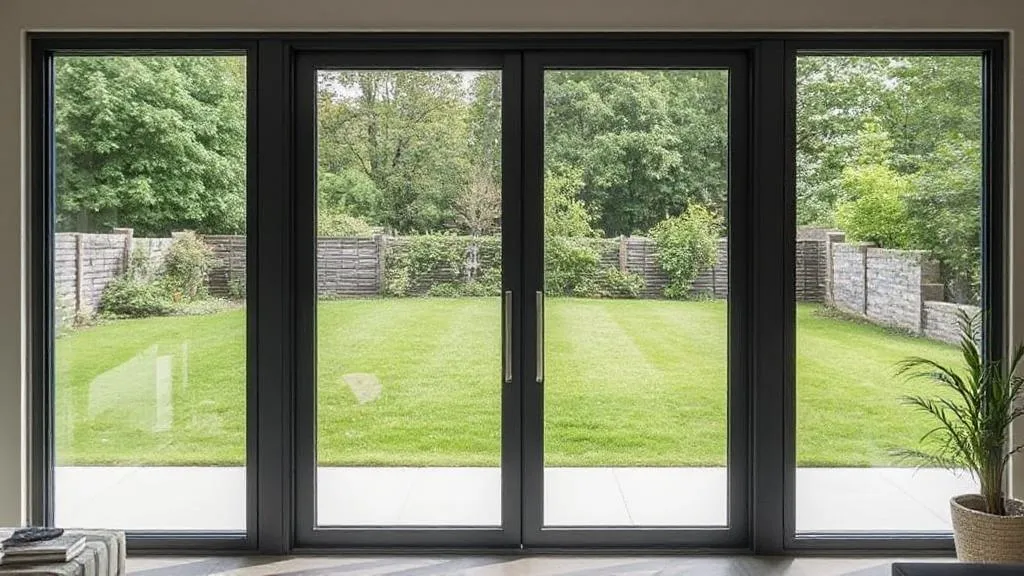
Sliding glass systems represent an efficient, durable, and visually clean solution for partitioning and enclosing spaces in various types of buildings. Their technical and functional properties make them suitable for use in commercial, residential, and business environments. Below are the key advantages that distinguish sliding systems from traditional walls and doors.
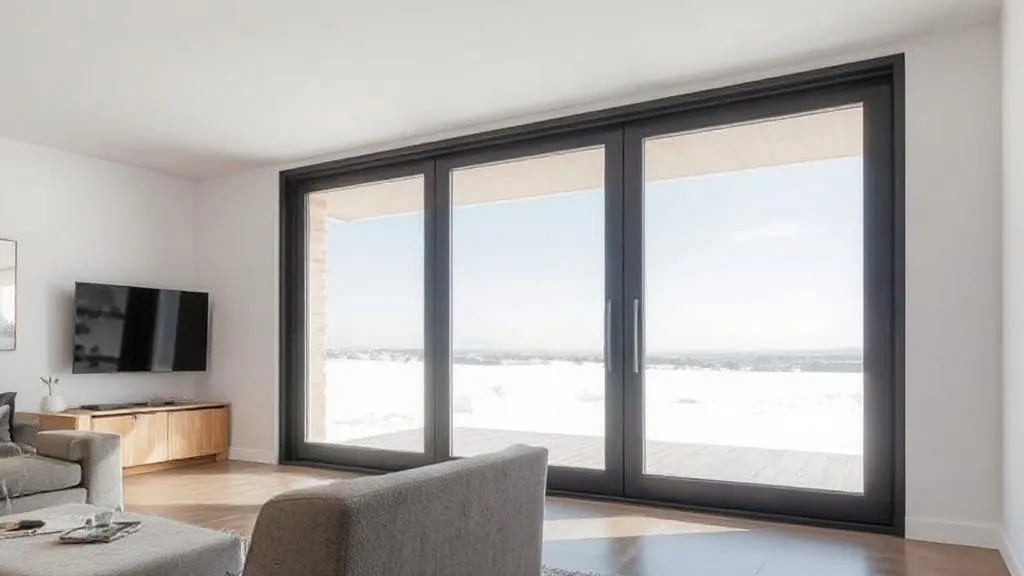
Technology and materials in sliding glass systems
Sliding glass systems require precisely engineered components to ensure long-term and safe use. The quality of materials and technical execution directly affect the stability, functionality, and aesthetic result of the complete solution. Below are the key technical components that make up every sliding system.
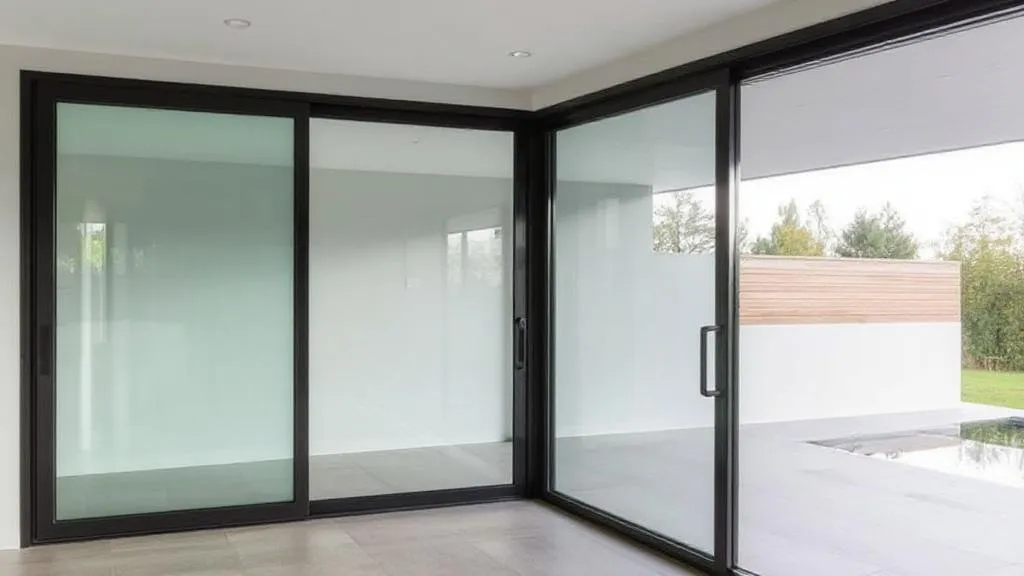
Sliding glass systems by space purpose
Sliding glass systems are used in various types of buildings thanks to their flexibility, aesthetic neutrality, and functionality. Depending on the type of space—commercial, residential, outdoor, or wellness—tailored systems are applied to meet specific technical and visual requirements. Below are the most common types of sliding systems by intended use.
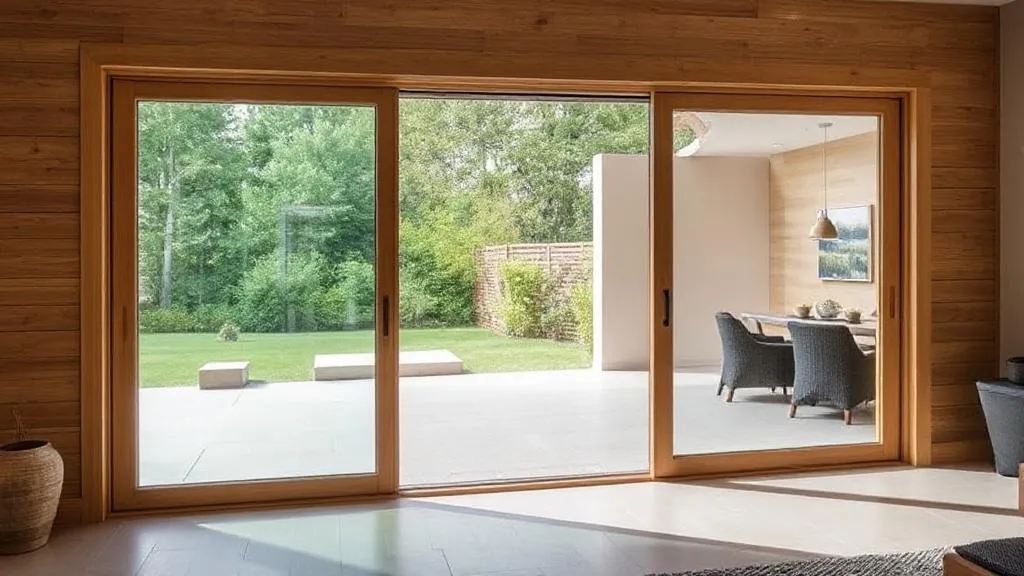
Overview of sliding glass systems
Sliding glass systems represent a modern solution for functional space division and enclosure in commercial, residential, and business buildings. Depending on application and technical requirements, there are different types of sliding solutions such as sliding doors, panels, walls, and glass façades. Their shared characteristics are efficient space utilization, light transmission, and an aesthetically neutral design.
Sliding glass doors
Sliding glass doors are a simple solution for passages between rooms, corridors, or entrance areas. They are mounted on walls, ceilings, or within structures and operate through horizontal sliding.
- Space-saving compared to traditional hinged doors
- Suitable for offices, apartments, and public spaces
- Option to integrate soft-close mechanisms
Sliding panels
Sliding panels are individual glass surfaces that move along tracks to partition spaces. They are used when temporary or flexible interior division is required.
- Panels can slide independently or synchronously
- Often combined with fixed sections
- Used in conference rooms, lobbies, and open-space areas
Sliding walls
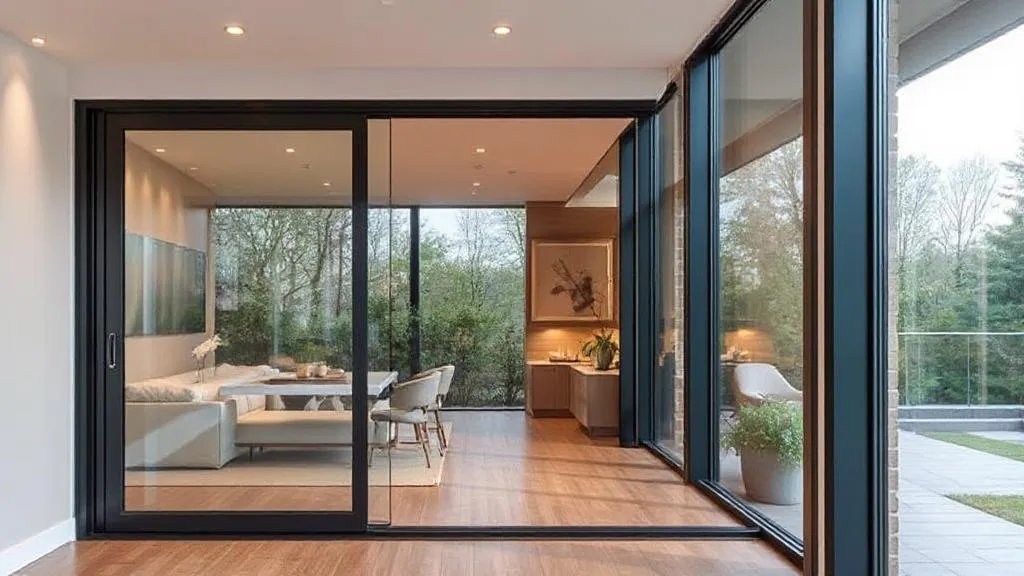
Sliding walls consist of multiple interconnected glass panels that move synchronously to fully open or close a space. They are used in larger areas requiring flexible zoning.
- Panels can be stacked to the side (parking zone)
- Suitable for restaurants, exhibition spaces, and halls
- Allow complete wall openness when retracted
Sliding glass walls
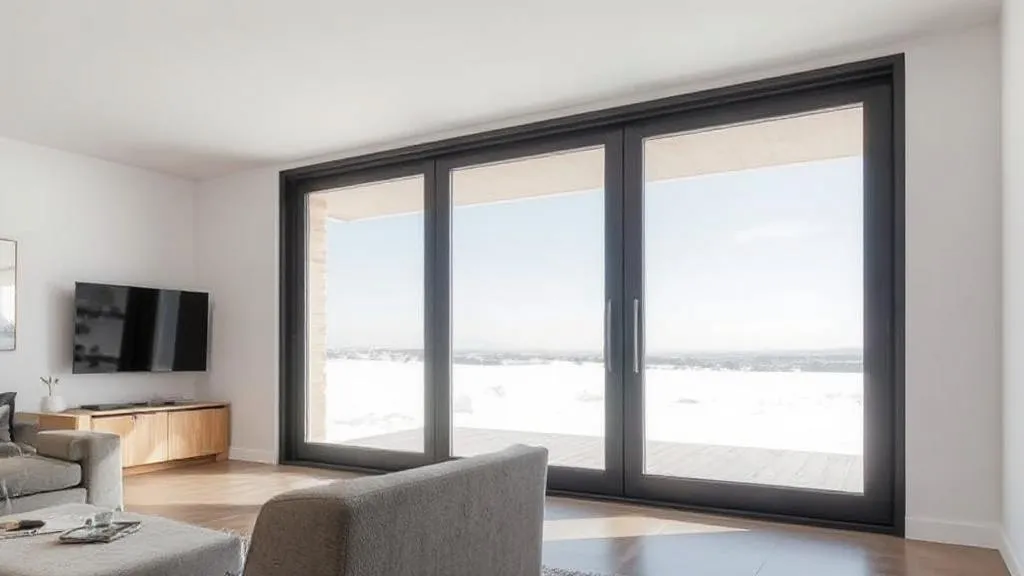
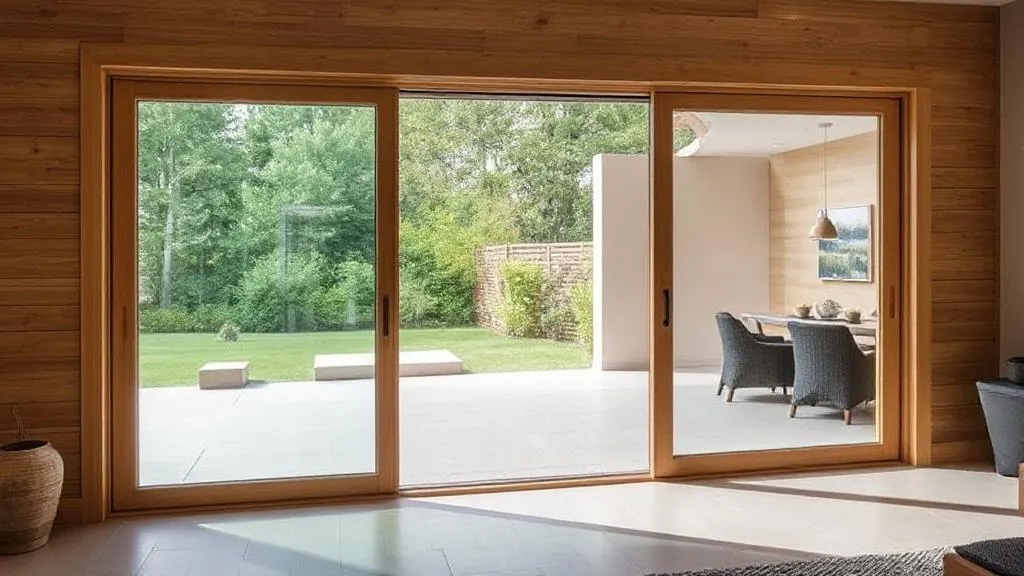
Sliding glass walls are designed to enclose large exterior openings such as terraces, balconies, loggias, or garden areas. Systems can be multi-panel, framed or frameless, and resistant to weather conditions.
- Transparency and unobstructed outdoor views
- Resistance to wind, moisture, and UV radiation
- Option to combine with thermally insulated glass
Each of these systems has a specific function and is used according to technical, aesthetic, and spatial requirements. Proper selection of the sliding system ensures optimal space utilization, durability, and a modern appearance. Expert consultation and custom fabrication guarantee high-level functionality and aesthetics.
Everything you wanted to know about types, applications, safety, and maintenance of sliding doors, panels, and glass walls – clearly and precisely explained.
Frequently Asked Questions about Sliding Glass Systems
✔️ Sliding glass systems are functional solutions for partitioning and enclosing spaces using glass panels that move horizontally along tracks. They are used in residential, commercial, and business buildings due to space efficiency, aesthetic appearance, and light permeability.
✔️ Sliding glass doors are individual panels used as passages between rooms, while sliding walls consist of multiple interconnected panels that allow opening or closing an entire wall surface.
✔️ Yes. Sliding systems use tempered or laminated safety glass, which is resistant to impacts and temperature changes. In case of breakage, the glass shatters into blunt fragments or remains bonded to the film, preventing injuries.
✔️ The most common applications of sliding glass systems are offices, apartments, hotels, restaurants, terraces, balconies, SPA zones, and commercial buildings where functional space division without loss of light is required.
✔️ The main advantages are:
- space saving
- natural light transmission
- modern appearance
- easy installation and maintenance
- quiet opening and closing
- option for acoustic protection
✔️ Yes. There are sliding glass walls specifically designed for outdoor areas such as terraces and balconies. They are resistant to moisture, wind, UV radiation, and feature appropriate sealing profiles and drainage systems.
✔️ Yes. All sliding panels, doors, and walls are manufactured to measure according to opening dimensions, glass type, profile requirements, and installation method. This ensures maximum functionality and aesthetic harmony.
✔️ The main materials are:
- Glass (tempered, laminated, IGU)
- Aluminum profiles
- Tracks and hardware made of stainless steel or alloys
- Soft-close mechanisms
- Sealing elements made of EPDM rubber or silicone
✔️ Installation of a simple sliding system usually takes 1 to 2 days, depending on size, complexity, and substrate type. Multi-panel systems or glass walls may require additional time for precise leveling and sealing.
✔️ Yes, if acoustic laminated glass and proper profile sealing are used, sliding glass systems can achieve insulation of up to 42 dB, sufficient for offices, meetings, and residential areas in urban environments.