 Belgrade, Serbia
 info@alu-pvcbogdanovic.rs
 Mon – Fri: 08 AM – 04 PM


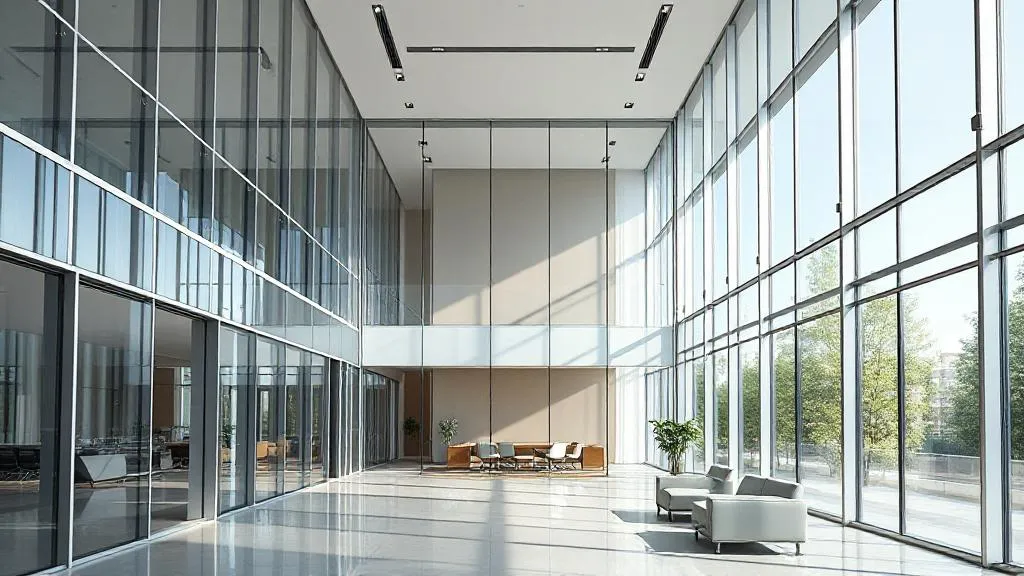
Sliding glass walls – a modern solution for enclosing terraces and large openings
Sliding glass walls are systems of glass panels that enable full or partial enclosure of large openings such as terraces, loggias, gardens, and façade elements. They are intended for both residential and commercial buildings, especially where visual connection with the outdoor space is required without losing natural light. The sliding system allows easy handling of large glass surfaces, while the construction is resistant to weather conditions.
Where are sliding glass walls used?
These glass structures are used to enclose exterior and interior spaces that require protection while maintaining transparency. They can be used as part of a façade system or as a mobile partition between indoor and outdoor areas.
- Enclosing terraces, loggias, and balconies
- Partition between the living room and the garden
- Façade systems in restaurants and cafés
- Winter gardens and glass dining areas
- Exhibition and commercial spaces with large openings
Types of sliding glass walls
There are various systems depending on the number of panels, profile type, sliding method, and structural design. The choice depends on the opening size, desired functionality, and aesthetic requirements.
- Multi-panel walls: multiple glass panels sliding on parallel tracks
- Side-stacking walls: all panels slide and park on one side
- Folding (accordion) systems: panels fold like an accordion when opening
- Thermally insulated walls: glass units with thermal and acoustic insulation
Construction and technical characteristics
Sliding glass walls consist of multiple panels made of safety glass, mounted in aluminum profiles with a guiding system. A properly designed system enables smooth panel movement with maximum stability and resistance.
- Top and bottom tracks with multiple channels
- Rollers made of stainless steel or Teflon
- Aluminum profiles with anodized or powder-coated finish
- EPDM seals and condensation drainage systems
- Option for soft-close mechanisms
Types of glass used
Only safety glass is used for sliding glass walls due to their size and exposure to external influences. Glass thickness and processing depend on project requirements.
- Tempered glass: primary choice for safety and impact resistance
- Laminated glass: increased protection and sound insulation
- Insulating glass (IGU): multi-layer glass for energy efficiency
- Sandblasted, frosted, or printed glass: when additional privacy or decoration is required
Advantages of sliding glass walls
These systems are increasingly popular due to their functional and aesthetic advantages, especially in buildings aiming for maximum openness while maintaining protection from weather conditions.
- Visual opening of the space towards the outdoors
- Natural daylight throughout the day
- Protection from rain, wind, dust, and noise
- Flexible opening – from one to all panels
- Long service life with minimal maintenance
- Aesthetic effect of clean glass surfaces
Maintenance and durability
Sliding glass walls require minimal maintenance thanks to high-quality materials resistant to weather conditions. Periodic cleaning and inspection of moving parts extend the system’s lifespan.
- Cleaning glass with standard glass cleaners
- Regular cleaning of tracks and rollers from dust and leaves
- Visual inspection of seals and drainage systems
- Checking screws and joints in seasonal buildings
Safety and technical standards
All sliding glass wall systems must be manufactured and installed in accordance with applicable safety and load-resistance standards. Commonly used standards include:
- EN 12150 – for tempered glass
- EN ISO 12543 – for laminated safety glass
- EN 14351-1 – for windows and doors in external constructions
- EN 12207 – air permeability
- EN 12208 – water tightness
- EN 12210 – wind resistance
Sliding glass walls enable full integration of indoor and outdoor spaces without losing light, functionality, or aesthetics. They are an ideal solution for buildings that require variable openness while maintaining protection from external conditions and a modern appearance. With proper design and high-quality installation, sliding glass walls ensure long-term use and maximum visual impact.